




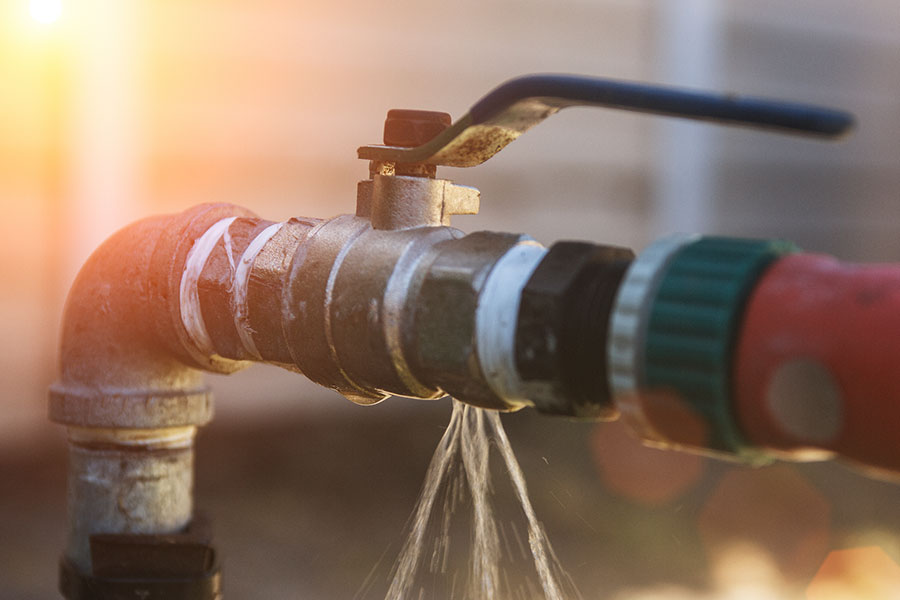
Imagine uncovering a hidden water leak behind your kitchen sink that’s been slowly damaging your cabinetry for months. As a homeowner in Farmers Branch, TX, you can take proactive steps to spot these issues before they escalate. By understanding common signs of leaks and knowing where to look, you can save yourself from costly repairs. Let’s investigate effective DIY methods to guarantee your home stays dry and damage-free.
Understanding Common Signs of Water Leaks
When it comes to spotting water leaks in your home, knowing the common signs can save you from extensive damage and costly repairs.
Keep an eye out for unexpected increases in your water bill, as this could indicate a hidden leak. Damp spots or discoloration on walls, ceilings, or floors often signal moisture issues.
If you notice mold or mildew growth, it’s a clear warning that water’s lurking where it shouldn’t be. Pay attention to the sound of dripping or running water when everything’s turned off; it might mean a leak is active.
Finally, check your appliances and plumbing fixtures regularly for signs of corrosion or rust, which can indicate slow leaks. Taking timely action to address these leaks can prevent the escalation of plumbing issues and enhance your home’s overall comfort.
Being proactive and recognizing these signs early can help you address issues before they escalate, keeping your home safe and comfortable.
Inspecting Your Home’s Interior for Leaks
To effectively detect leaks inside your home, start by systematically inspecting areas where water is commonly present.
Focus on high-risk spots, and keep an eye out for any signs of moisture or damage.
Here’s a quick checklist to guide your inspection:
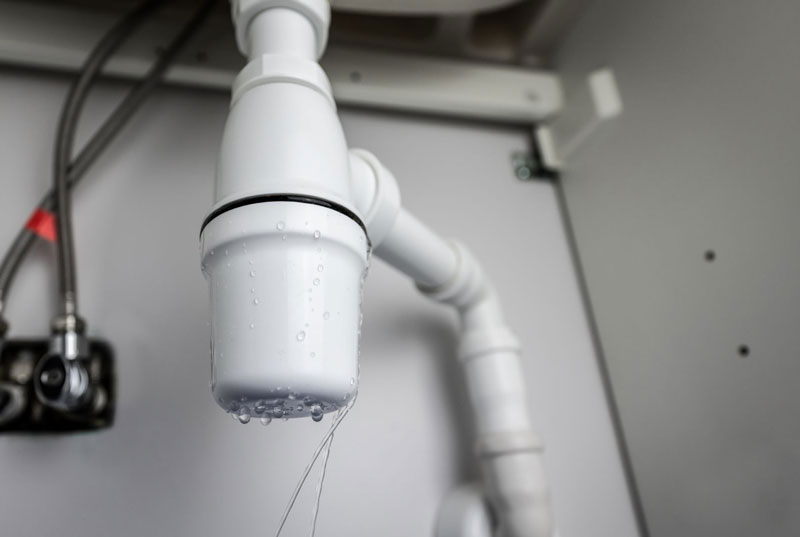
- Under Sinks: Check for puddles, water stains, or warped cabinetry. Pay attention to both kitchen and bathroom sinks.
- Around Appliances: Look behind your refrigerator, dishwasher, and washing machine for any signs of leaks. Confirm hoses are secure and not cracked.
- Walls and Ceilings: Inspect for discoloration, peeling paint, or soft spots. These can indicate hidden leaks from pipes or fixtures. Additionally, addressing leaks promptly can help you avoid the need for emergency plumbing services that may arise from prolonged water damage.
Checking Your Home’s Exterior for Potential Issues
How can you guarantee your home’s exterior is leak-proof? Start by examining your roof for missing shingles or signs of wear. Look for cracks or gaps in flashing that might allow water to seep in.
Next, check your gutters and downspouts; make certain they’re free of debris to prevent overflow.
Inspect your windows and doors for any signs of deterioration or gaps in the caulk. A tight seal is vital to keep water out.
Additionally, evaluate your foundation for cracks or settling; these can lead to serious leaks if not addressed.
Finally, take a look at your landscaping. Confirm that soil slopes away from the foundation, promoting proper drainage. Early detection of leaks can save on costs and protect your home from significant structural damage.
Utilizing Water Meters for Leak Detection
A water meter can be an invaluable tool for detecting leaks in your home, often revealing issues that might go unnoticed. By monitoring your water usage, you can identify unusual spikes that indicate potential leaks.
Here’s how to effectively utilize your water meter for leak detection:
- Check for Movement: After turning off all water fixtures, observe the meter. If it continues to move, there’s likely a leak somewhere in your plumbing system.
- Track Daily Usage: Record your water usage daily over a week. A significant increase in consumption without any change in habits may signal a hidden leak.
- Inspect the Meter Regularly: Make it a habit to inspect your water meter monthly. Look for any signs of moisture around the meter itself, which could indicate a leak. Additionally, consider scheduling routine drain cleaning to prevent further plumbing issues that might contribute to leaks.
When to Call a Professional for Assistance
While you can tackle some water leak detection tasks on your own, knowing when to call a professional can save you time, money, and potential damage to your home.
If you notice significant water pooling, persistent dampness, or unusual water bill spikes, it’s time to reach out for expert help. Moreover, if you’ve tried troubleshooting but can’t locate the source of the leak, don’t hesitate to contact a professional.
Mold growth or musty odors are strong indicators that a leak may be hidden from view. Professionals have the tools and experience to identify and resolve issues quickly, often preventing further damage.
If you’re unsure or overwhelmed, calling CW Service Pros can guarantee you get the right solution. Their team treats your home like their own, providing reliable service that keeps your family safe and comfortable.
Don’t wait; addressing leaks early can save you from costly repairs down the line.
Conclusion
By staying proactive with these DIY leak detection tips, you’re like a vigilant gardener tending to your plants—catching issues before they blossom into bigger problems. Regularly inspect your home’s nooks and crannies, and keep an eye on your water meter. With a little attention and care, you can protect your property from unnecessary damage. If you ever feel overwhelmed, don’t hesitate to call a professional; sometimes, it takes an expert’s touch to restore balance in your home.