




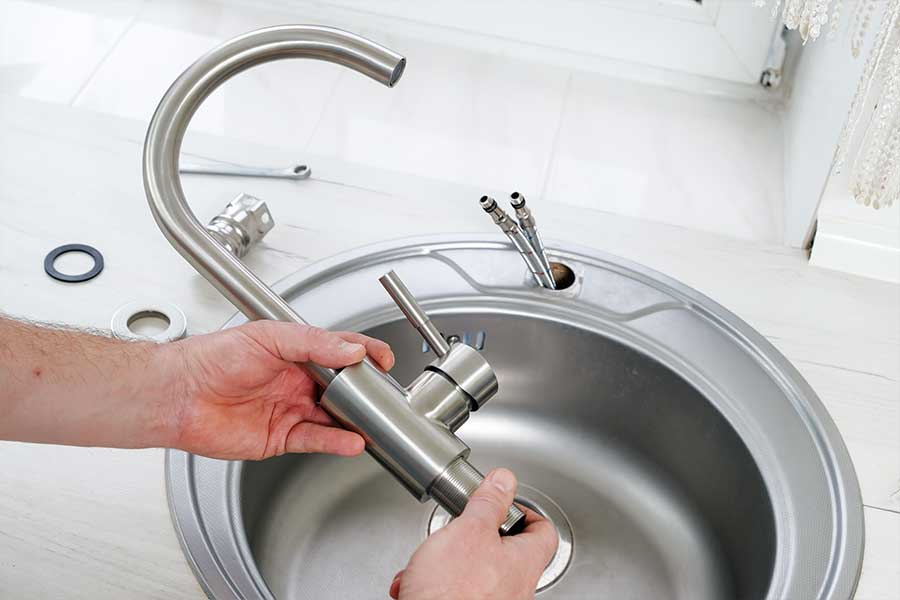
When faced with a faucet issue in Richardson, TX, you might wonder whether to repair or replace it. Repairing a faucet can seem like the cost-effective choice, with typical expenses ranging from $50 to $150. Yet, replacing your faucet could offer long-term benefits, including better water efficiency and less maintenance down the line. Understanding these options is essential for making a well-informed choice that suits your home. So, what should you consider next?
Understanding Faucet Repair Costs in Richardson, TX
When you’re facing a faucet issue in Richardson, TX, understanding the repair costs can help you make knowledgeable choices.
Typically, faucet repairs can range from $50 to $150, depending on the problem’s complexity. Simple fixes, like replacing a washer or O-ring, usually cost less, while more extensive repairs, such as fixing leaks or replacing cartridges, can push costs higher.
You’ll additionally want to take into account the time involved; most repairs take about one to two hours. If you hire a professional plumber, their hourly rate will factor into your total cost.
Remember, investing in a reliable service can save you money in the long run by preventing future issues. Our commitment to quality service ensures that you receive the best solutions for your faucet problems.
Ultimately, knowing these costs empowers you to make educated choices. You can weigh the benefits of repair versus replacement, ensuring you choose the best option for your home and budget.
Factors Influencing Faucet Replacement Costs
Repairing a faucet can sometimes be a straightforward solution, but there are instances where replacement might be the better choice.
When considering the costs of faucet replacement, several factors come into play. Understanding these can help you make a well-informed choice.
- Faucet Type: High-end models or specialty faucets often cost more to replace.
- Labor Costs: Local labor rates can vary, impacting the overall expense.
- Water Supply Lines: If these need replacing, it’ll add to your costs considerably.
- Old Plumbing Condition: If your existing plumbing is outdated or damaged, this may require additional repairs.
Evaluating these factors will give you a clearer picture of what to expect. Additionally, timely repairs can prevent escalation of plumbing issues, making it a crucial consideration in your decision-making process.
If you’re unsure, consulting a local expert can provide peace of mind and help you navigate your options effectively.
Pros and Cons of Repairing Your Faucet
While deciding whether to fix your faucet or invest in a new one, weighing the pros and cons can make the process easier.
One significant advantage of repairing is cost savings; a repair typically costs less than a replacement. You furthermore retain your existing faucet, which may have sentimental value or match your home’s aesthetic. Repairs can often be quicker, minimizing disruption to your daily routine.
On the downside, repairs mightn’t provide a long-term solution. If your faucet is older or frequently malfunctions, you may find yourself facing repeated issues.
In addition, some repairs require specialized tools or expertise, which could add to your costs if you hire a professional. Ultimately, consider your faucet’s condition and how often it needs fixing. Expert services can guide you in making the best choice for your home. Balancing immediate savings against potential future expenses will help you make the best decision for your home.
Advantages of Replacing Your Faucet
Replacing your faucet often brings a host of benefits, especially if you’re dealing with an aging model. Not only does a new faucet improve your kitchen or bathroom’s aesthetic, but it also boosts functionality and efficiency.
Here are some advantages you can expect:
- Water Savings: Modern faucets are designed to minimize water usage, helping you save on your utility bills.
- Enhanced Style: Choose from a variety of designs and finishes that can uplift the look of your space.
- Improved Functionality: Newer models often feature better water flow and temperature control, making everyday tasks easier.
- Reduced Maintenance: A new faucet reduces the likelihood of leaks and repairs, giving you peace of mind. Additionally, selecting a high-quality faucet can be part of a larger strategy for enhancing kitchen efficiency in your home.
Making the Right Choice for Your Home
When deciding between repairing and replacing your faucet, it’s essential to take into account both your immediate needs and long-term goals.
Think about how often your faucet has malfunctioned. If repairs are becoming frequent, a replacement might save you money and stress in the long run.
Consider the age and efficiency of your current faucet. Older models can waste water, leading to higher utility bills. A new, efficient faucet can provide significant savings.
You should likewise factor in your budget. While repairs are typically cheaper upfront, a replacement might offer better value over time with fewer issues and upgraded performance.
Finally, don’t overlook aesthetics. If you’re updating your kitchen or bathroom, a new faucet can improve your space’s overall look.
Weighing these factors carefully will help you make the right choice for your home. If you need advice, reach out to us at CW Service Pros for personalized recommendations.
Conclusion
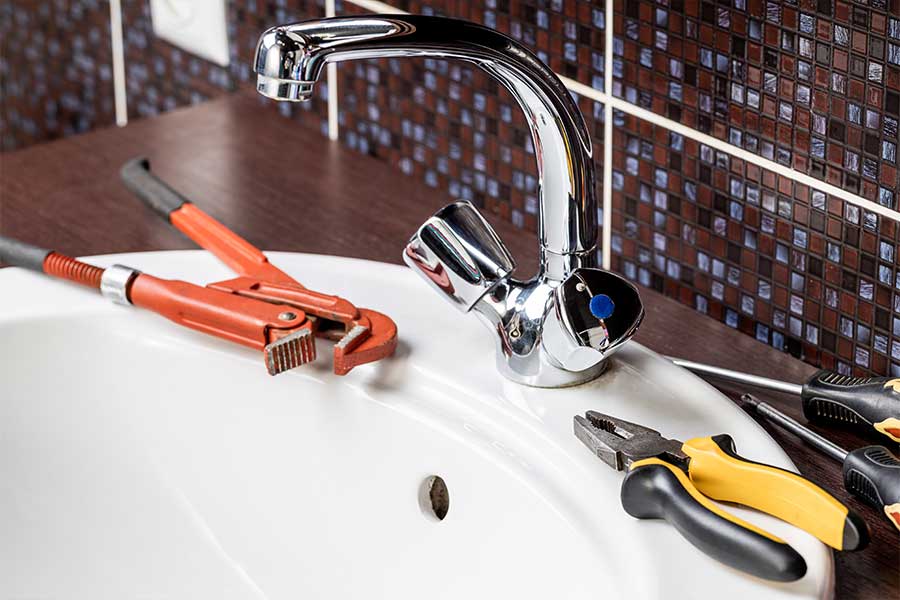
In the end, choosing between faucet repair and replacement is like deciding between a quick band-aid fix and a long-lasting solution. You want to guarantee your home not just looks good but also runs efficiently. By weighing the costs and benefits, you can make a choice that saves you money and adds comfort to your daily routine. Remember, a small investment now can lead to a flood of savings and satisfaction in the future.