




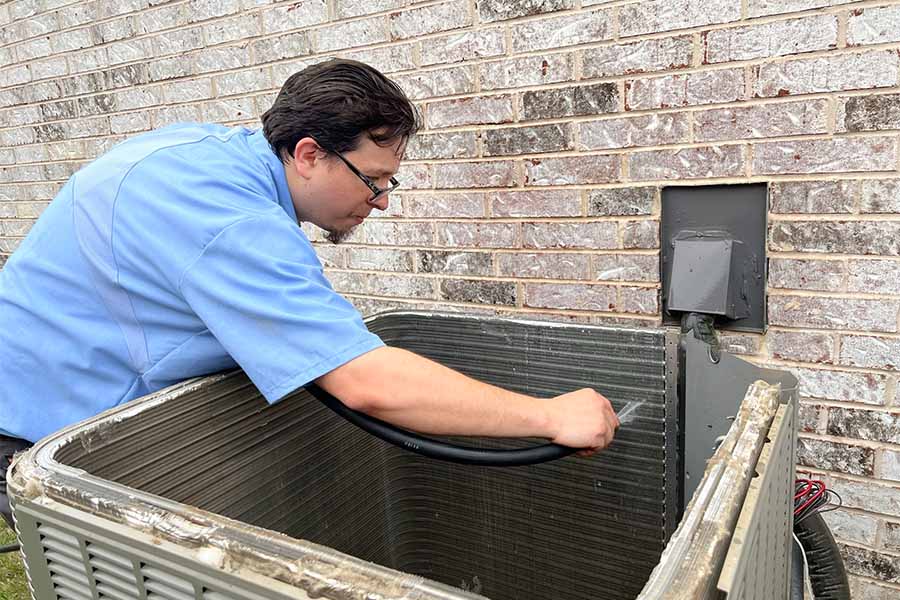
When your air conditioning system starts showing signs of trouble, it’s essential to recognize the indicators that signal the need for professional repair. From blowing warm air to strange noises, these issues can impact your home’s comfort, efficiency, and energy costs. Identifying symptoms early on can save you from expensive breakdowns. Let’s explore these critical signs you shouldn’t ignore.
1. Your AC Is Blowing Warm Air
If your AC blows warm air, it could signal refrigerant issues or a failing compressor. Low refrigerant prevents effective cooling, while a malfunctioning compressor won’t circulate refrigerant properly. Addressing these problems quickly restores your system’s efficiency and comfort.
Possible Refrigerant Issues
Blowing warm air often points to a refrigerant problem, whether from a leak or an improper charge during installation. Refrigerant is vital for cooling; low levels mean your AC can’t function properly. Signs include hissing sounds or ice buildup on coils. A professional inspection can prevent more serious damage.
Failing Compressor Warnings
The compressor moves refrigerant through your system. If it’s failing, you’ll notice inconsistent cooling or frequent cycling. Grinding noises or refrigerant leaks can point to compressor trouble. Professional diagnosis ensures proper repairs and restores your system’s performance.
2. Weak Airflow Throughout Your Home
Weak airflow often indicates issues with blocked ductwork or failing motors and blowers. These problems reduce your AC’s efficiency and comfort output. Prompt repairs can restore healthy airflow and system performance.
Blocked Ductwork Problems
Obstructions like dust, debris, or nesting animals can block airflow, leading to uneven cooling and increased energy bills. Regular duct inspections and professional cleanings help keep air moving efficiently.
Motor or Blower Malfunctions
Blower motors push air through your ducts. If worn bearings or electrical faults disrupt this process, airflow weakens. Noises or inconsistent temperatures signal these issues. Timely repairs protect your system’s efficiency.
3. Strange or Loud Noises from Your AC Unit
Grinding, squealing, or rattling noises aren’t normal. These sounds often indicate mechanical problems or loose components. Prompt attention prevents costly damage.
Grinding and Squealing Sounds Explained
Grinding signals failing bearings or motors; squealing often means a slipping belt or misaligned fan. Ignoring these sounds strains your AC and increases repair costs. A professional can pinpoint and resolve the issue.
Loose Components or Debris Concerns
Rattling or clanging noises suggest loose parts or debris inside the unit. Left unchecked, these issues cause inefficiency and potential breakdowns. Regular inspections and prompt repairs maintain system health.
4. Unpleasant Odors When the System Runs
Strange smells often indicate mold growth or electrical hazards within your AC system. Address these issues immediately to protect your health and safety.
Mold or Mildew Buildup in Ducts
Musty odors often mean mold in your ducts, caused by excess moisture or poor airflow. Mold spores affect indoor air quality and should be removed by professionals to ensure healthy air circulation.
Burnt Wiring Smells Signal Danger
Burnt smells suggest overheating components or frayed wiring—both serious fire risks. Shut off power and call a technician immediately to prevent potential hazards.
5. Constantly Cycling On and Off
Short cycling stresses your system and wastes energy. Causes often include electrical faults or thermostat issues.
Electrical Issues Behind Short Cycling
Faulty wiring, bad capacitors, or malfunctioning relays disrupt power to key components, leading to short cycles. A professional can diagnose these problems and restore proper function.
Incorrect Thermostat Settings or Placement
Poorly placed thermostats near heat sources or in direct sunlight can misread room temperatures, causing unnecessary cycling. Verify correct settings and placement or consult a pro for adjustments.
6. Unexplained Increase in Energy Bills
A sudden spike in energy costs often signals AC inefficiency. Underlying issues force your unit to work harder, increasing expenses.
Inefficient Cooling Performance
Dirty filters, low refrigerant, or failing parts make your system struggle, raising your bills. Uneven cooling or excess humidity also signals inefficiency. Professional service restores performance.
Older Systems Consuming More Power
Aging systems lose efficiency, driving up energy use. Outdated components and lack of modern technology contribute to higher costs. Replacing an older unit often pays off in long-term savings.
7. Excessive Moisture or Leaks Around the Unit
Moisture around your AC can signal clogged drains or refrigerant leaks, both of which need swift attention.
Clogged Drain Lines Causing Leaks
Blocked drains prevent condensation from draining properly, causing water damage or mold growth. Regular maintenance prevents this issue.
Refrigerant Leaks Requiring Immediate Repair
Leaks reduce cooling efficiency and pose health risks. Moisture buildup or fluctuating temperatures point to this problem. Prompt repairs protect your system and health.
8. Poor or Uneven Cooling in Certain Rooms
If some rooms are hotter than others, issues with your ductwork or vents may be to blame.
Ductwork Design Flaws
Improperly sized or poorly designed ducts restrict airflow, causing uneven temperatures. A professional assessment can recommend corrections for balanced cooling.
Damaged or Blocked Vents
Furniture, dust, or structural issues can block vents, reducing airflow. Regular checks ensure proper circulation throughout your home.
9. Thermostat Isn’t Responding Properly
You’ll face efficiency and comfort issues if your thermostat doesn’t communicate correctly with your AC.
Wiring or Calibration Problems
Faulty wiring or poor calibration leads to inaccurate temperature readings or erratic cycling. Address these promptly to avoid larger issues.
Compatibility Issues with Your AC System
Older thermostats may not align with modern AC units, causing inefficiencies. Consult a professional to verify compatibility and functionality.
10. Your System Is Over 10 Years Old and Failing
Older systems often require frequent repairs and lack efficiency. If yours is aging and unreliable, it might be time to upgrade.
Frequent Repairs Becoming Costly
Repeated service calls indicate a failing system. Investing in a new, efficient model can save money long-term.
Considering Energy-Efficient Upgrades
Newer units offer better performance and lower energy consumption. High SEER-rated systems reduce environmental impact and monthly costs.
Conclusion
If you notice any of these signs, don’t wait. Ignoring issues like warm air, strange noises, or uneven cooling leads to higher repair costs and reduced comfort. Call a trusted HVAC professional for timely repairs. Acting now ensures your system stays reliable, efficient, and ready to keep your home cool.
Frequently Asked Questions
How Often Should I Schedule AC Maintenance?
Schedule annual maintenance, ideally before summer, to keep your system running efficiently and extend its lifespan.
Can I Repair My AC Myself?
Basic tasks like changing filters are safe, but complex issues require a professional for safety and effectiveness.
What Are the Benefits of Regular AC Servicing?
Routine service boosts efficiency, prevents breakdowns, and ensures cleaner, healthier air.
How Do I Choose a Reliable AC Repair Technician?
Check licenses, insurance, and reviews. Ensure experience with your system type and ask about warranties.
What Should I Do if My AC Is Under Warranty?
Review your warranty terms and contact the manufacturer or authorized service provider. Keep documentation to protect your coverage.